









Lápiz Objects: The Sculptural Furniture of Izaid Barr
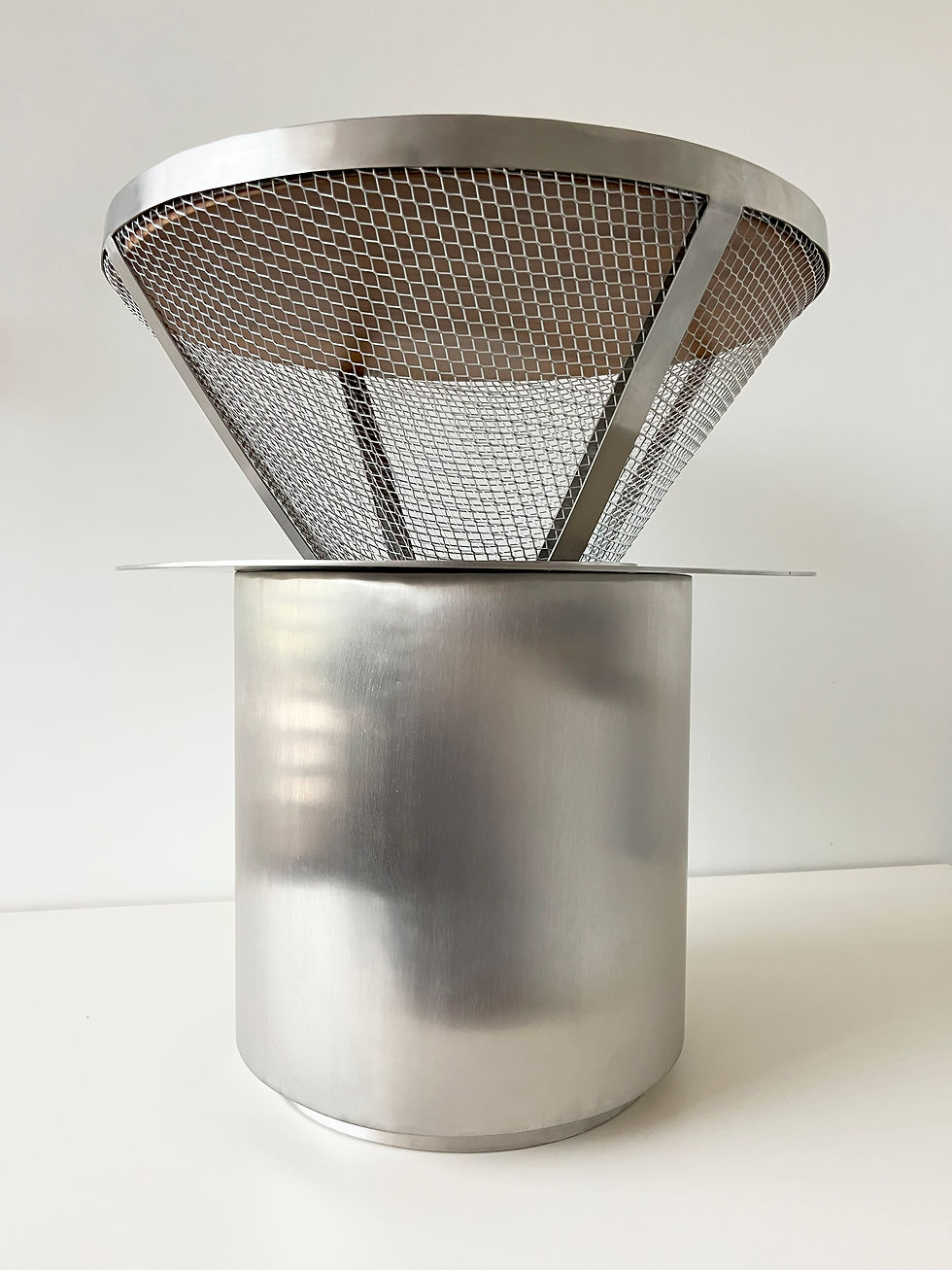
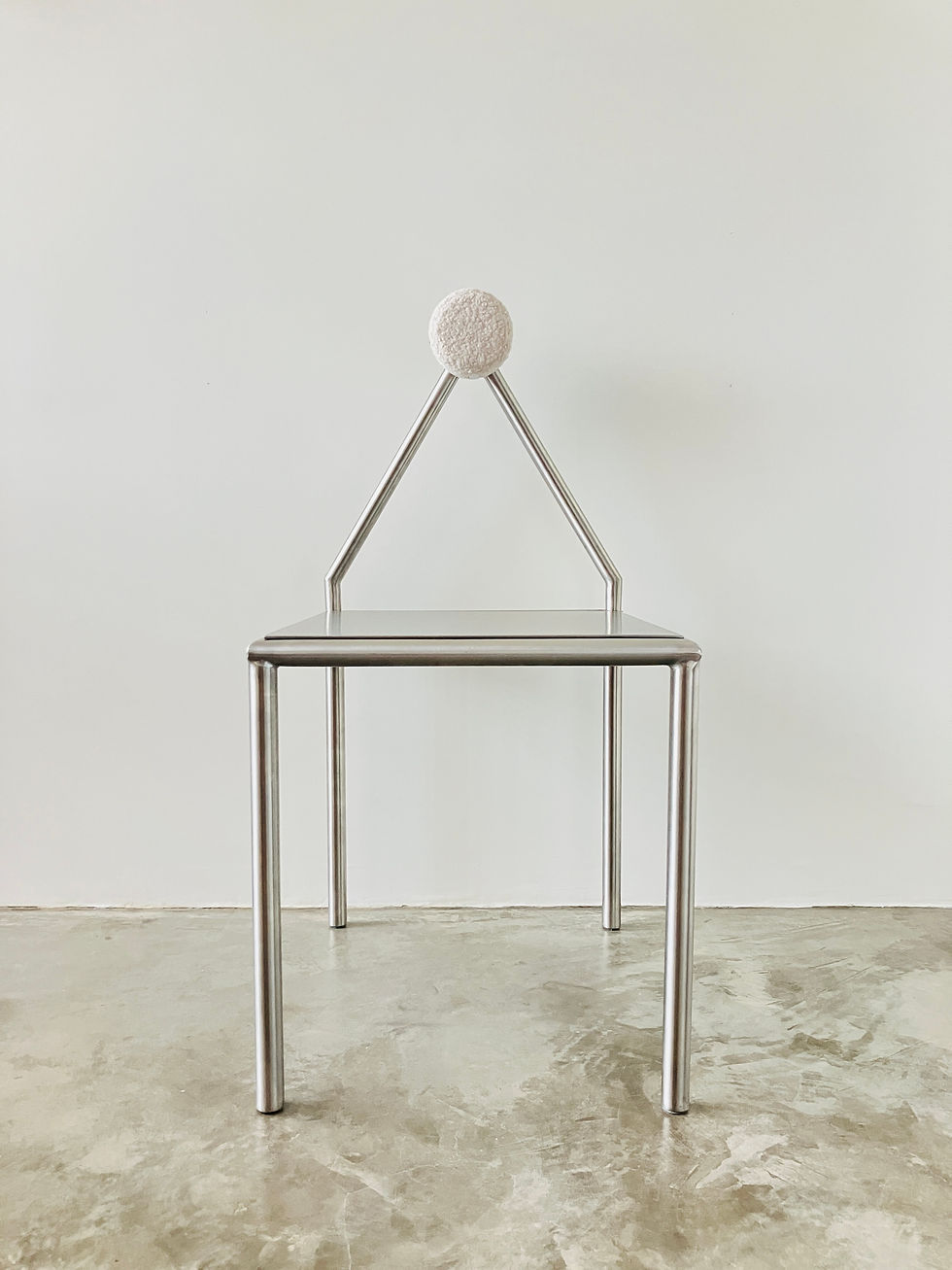
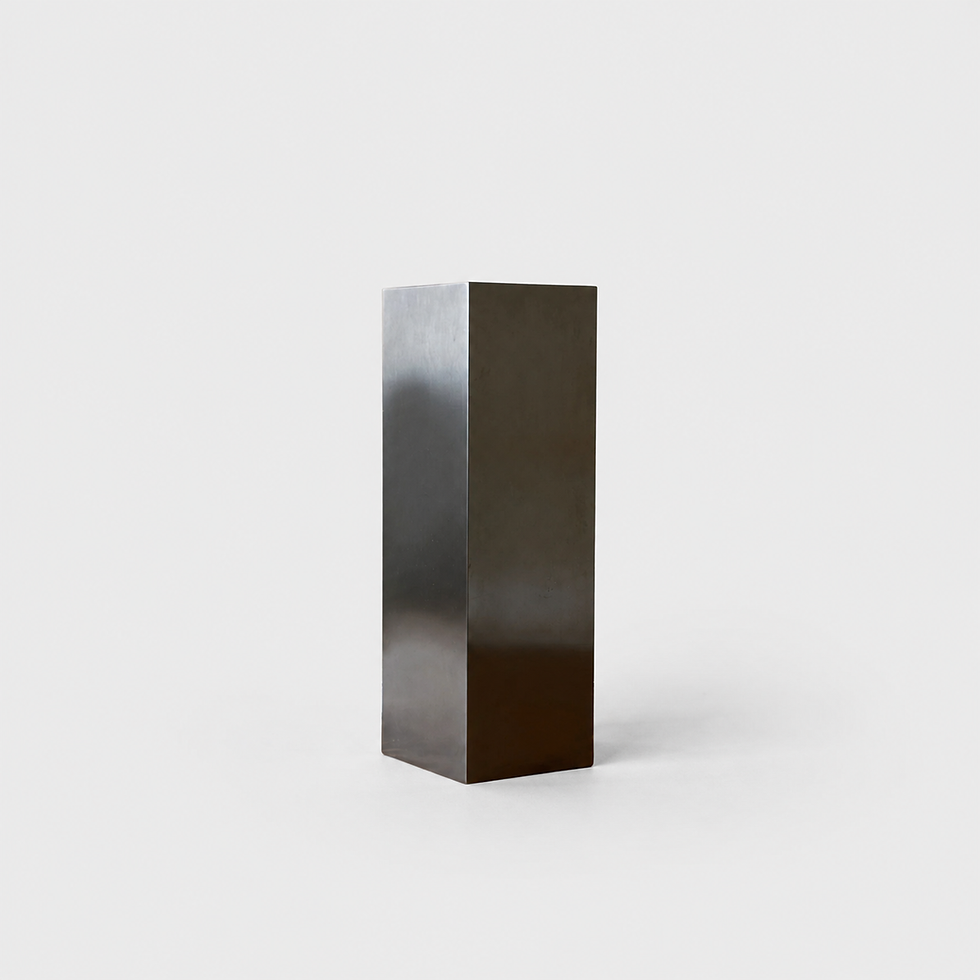
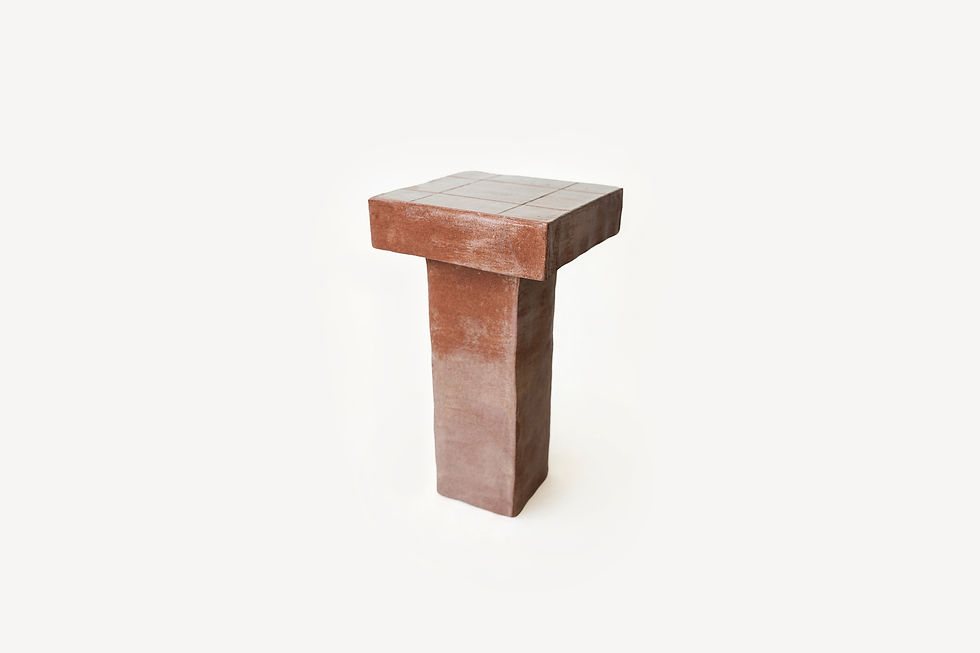
Lápiz Objects is the studio practice of Los Angeles-based artist Izaid Barr. Her work sits at the intersection of function and sculpture — hand-built ceramic pieces made to shape and animate space, not just occupy it.

Carved surfaces coexist with smooth ones; straight lines give way to something freer, more alive. The results are borne from a continual dialogue with the material itself.
Most pieces begin as a sketch in a notebook carried everywhere. From there, they’re built entirely by hand — slabs carved, joined, and shaped one at a time.

Observation becomes a sketch, the sketch a prototype, and in time the prototype becomes the finished piece.
The process stays visible in the work: tool marks, surface texture, and the trace of the hand behind it. Nothing is smoothed away that shouldn’t be.
Clay resists and yields throughout, and that negotiation stays legible in every piece.

Where Izaid has lived tends to surface in the work. She grew up in the desert, on the northern border of Mexico, spent time in New York, and now works out of Los Angeles — and each place has left its mark. The desert most of all: its scale, its materials, its quiet run underneath the pieces as instinct rather than reference. Los Angeles is where the work grew in scale, and where she found a community of makers to build alongside.

Beyond geography, travel, heritage, and work across several mediums have accumulated in the same way — quietly, beneath the surface — shaping how each piece is imagined and made.

A background in psychology adds another layer — not as theory, but as a sensitivity to how people relate to objects and the spaces they live in.
The work runs toward furniture scale: side tables, stools, and outdoor pieces that hold their presence without demanding attention. Current work centers on outdoor furniture and side tables.

Function and sculpture coexist, and the tension between them is something to be celebrated. Izaid rathers stay curious — have fun with the material, testing techniques as each piece is built — and let the work cohere on its own terms rather than around a fixed
style.

Every piece is a continuation of the same core inquiries — and each one is only truly finished when it finds a home in someone’s space.


Comments