









OFAA: The Craft of Thought
Updated: Oct 11
For OFAA, design begins long before an object takes shape. It begins with ideas, questions and an enduring intellectual curiosity. The name itself marked the beginning of a journey, giving form to something that had until then existed primarily as thought: an inner need to create, explore and understand.
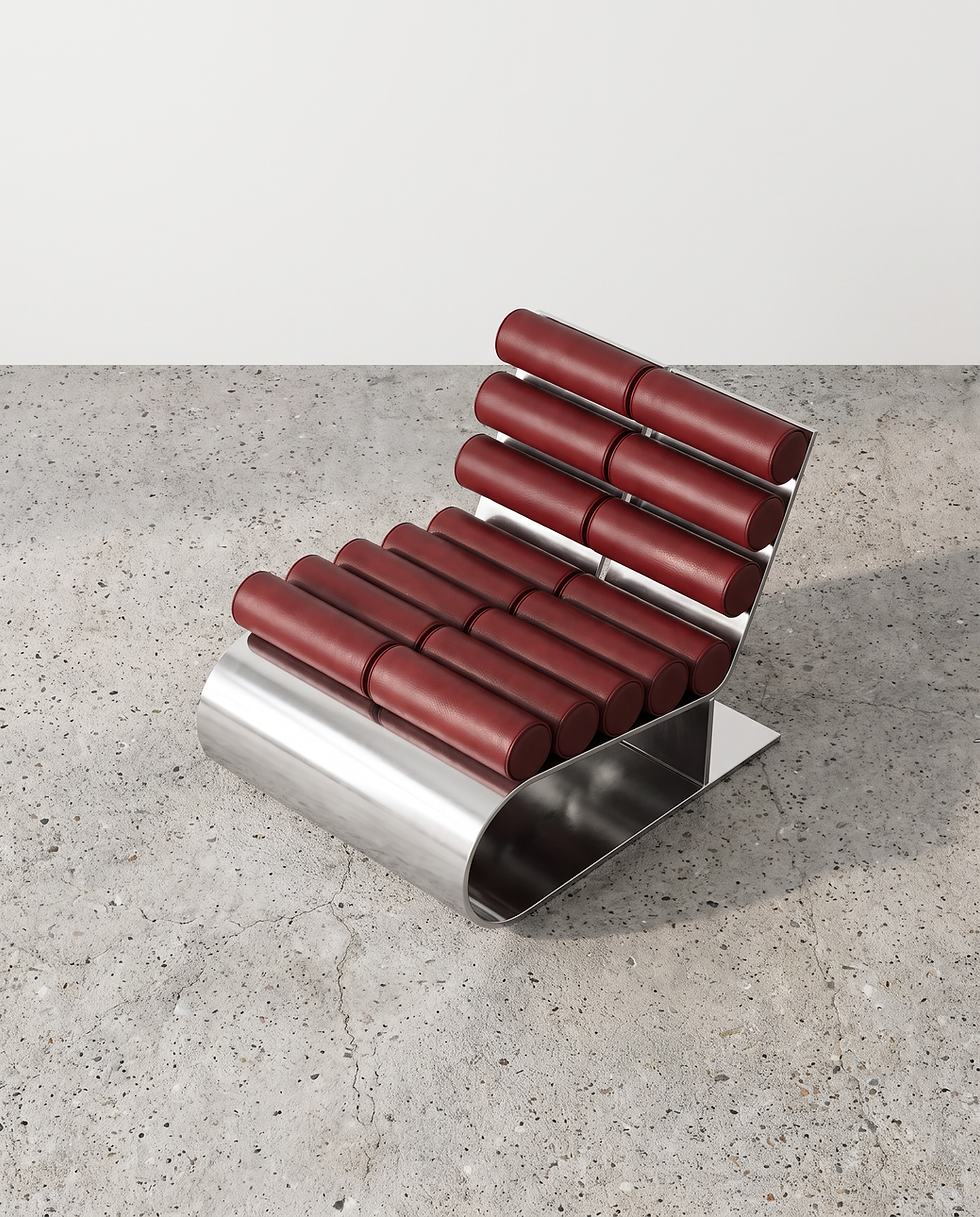
For its founder Christos, being a designer extends beyond the act of making objects. It is a way of engaging with life itself. To design is to think, to question what is seen and known, and to challenge what has been inherited or taken for granted. It requires curiosity, openness and the willingness to move freely between disciplines. Inspiration can emerge from almost anywhere, but recognising its potential demands time and attention. The designer, in this sense, becomes a craftsman of thought.

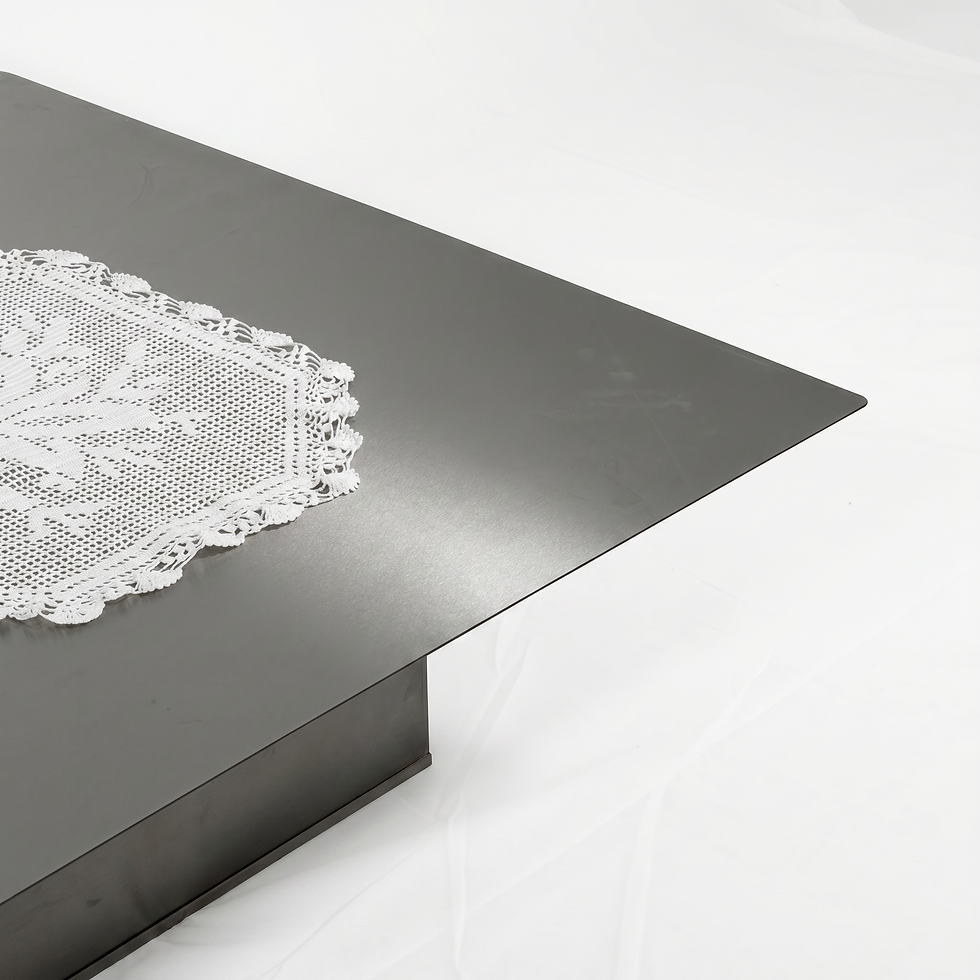
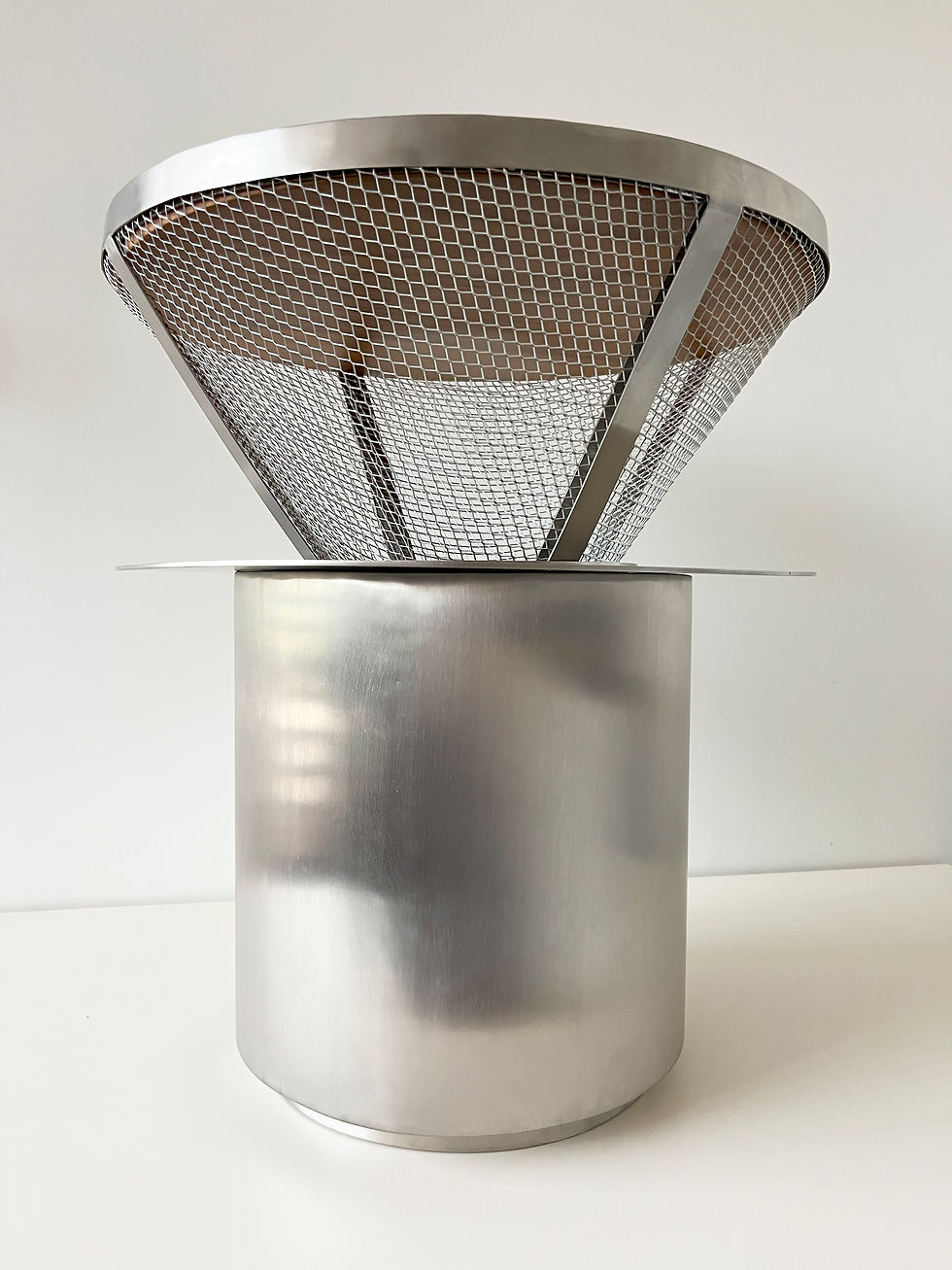
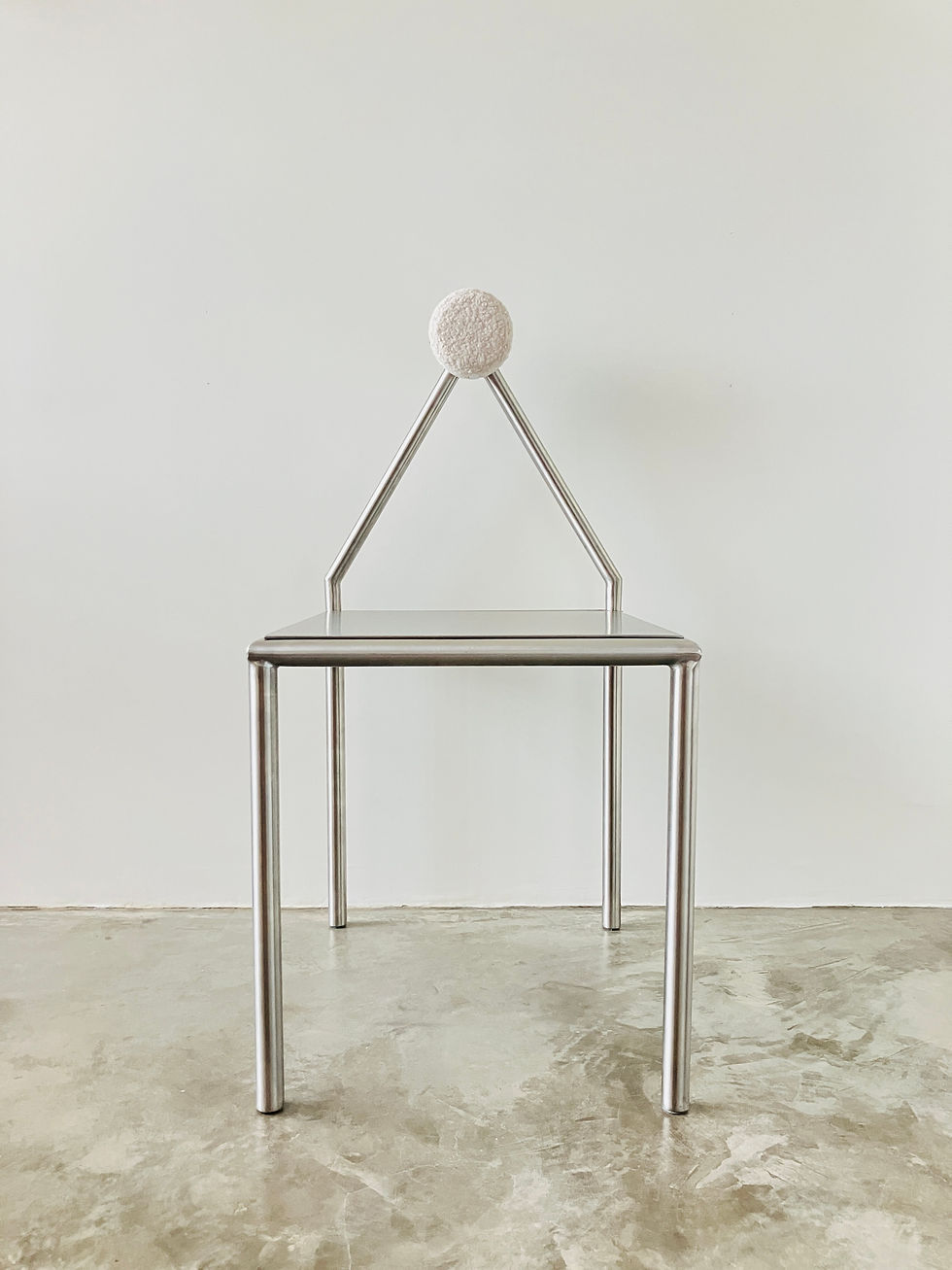
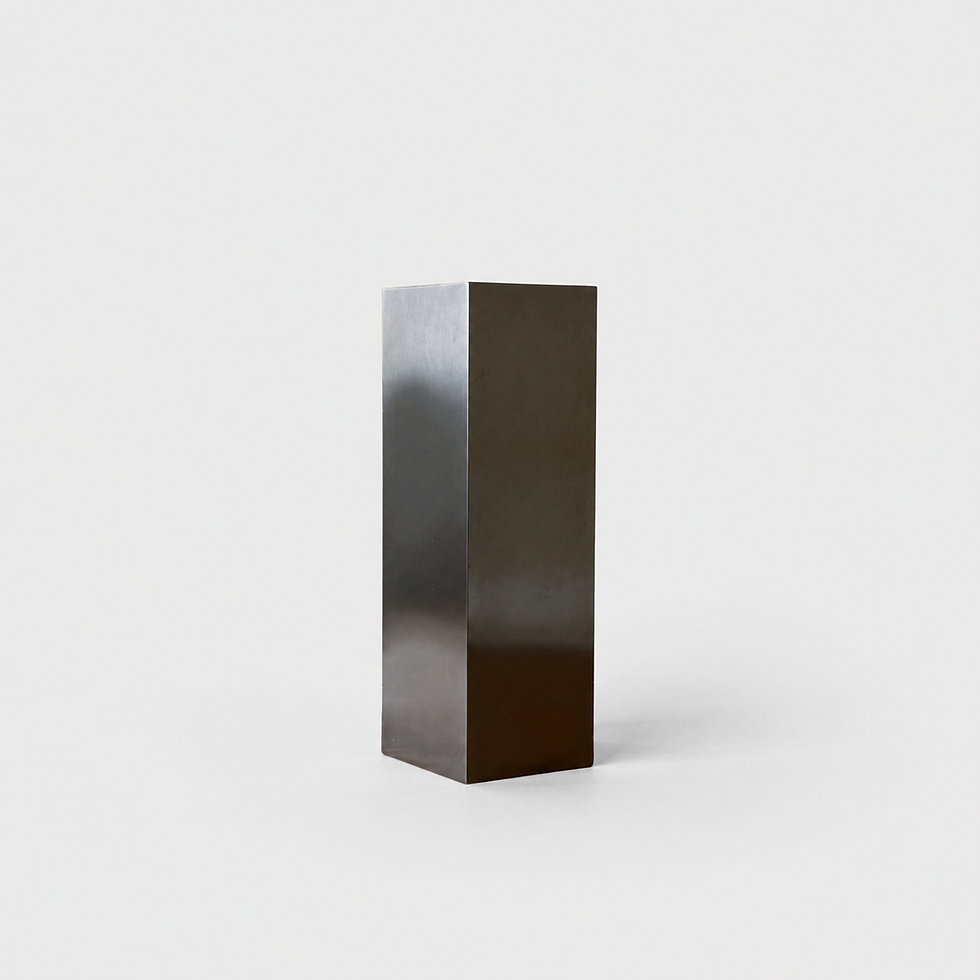
This approach finds a particular expression in OFAA's relationship with steel and aluminium. Both materials offer an extensive range of structural and constructive possibilities, yet understanding them requires more than technical knowledge. It calls for observation, experimentation and a gradual familiarity with their individual properties. Their potential is not immediately revealed; it unfolds through the process of working with them.

Rather than treating material as something to be entirely controlled, OFAA approaches it as an active participant in the design process. Steel and aluminium possess their own characteristics, limitations and possibilities. Working with them means learning to recognise these qualities, allowing them to inform the final form rather than imposing an idea upon them without consideration.
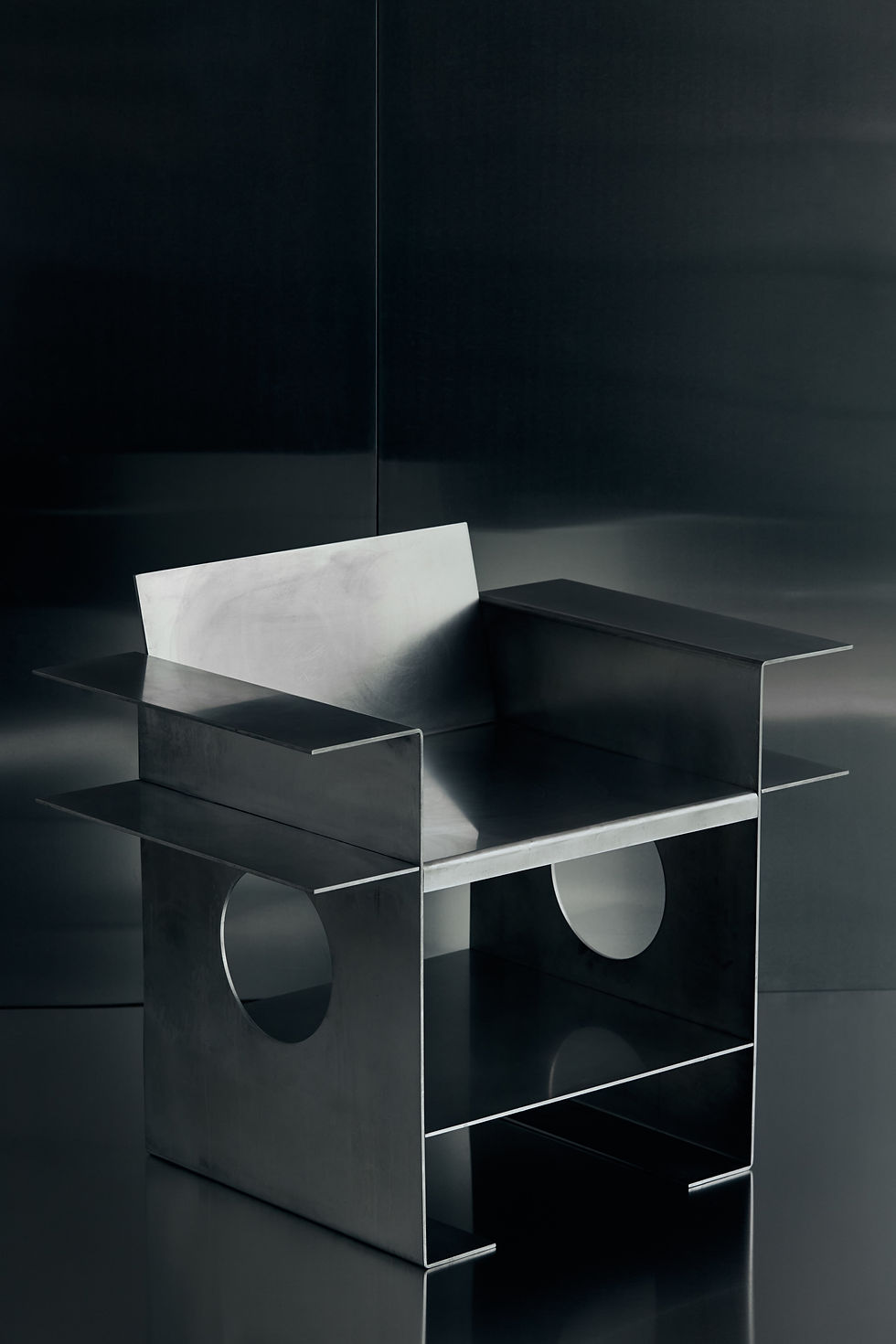

There is also a personal affinity at play. The simplicity, precision, clarity and dynamism of these materials offer a language through which to explore the relationship between thought, form and matter. Their structural directness becomes a means of expression, where construction is inseparable from the ideas that shape it.
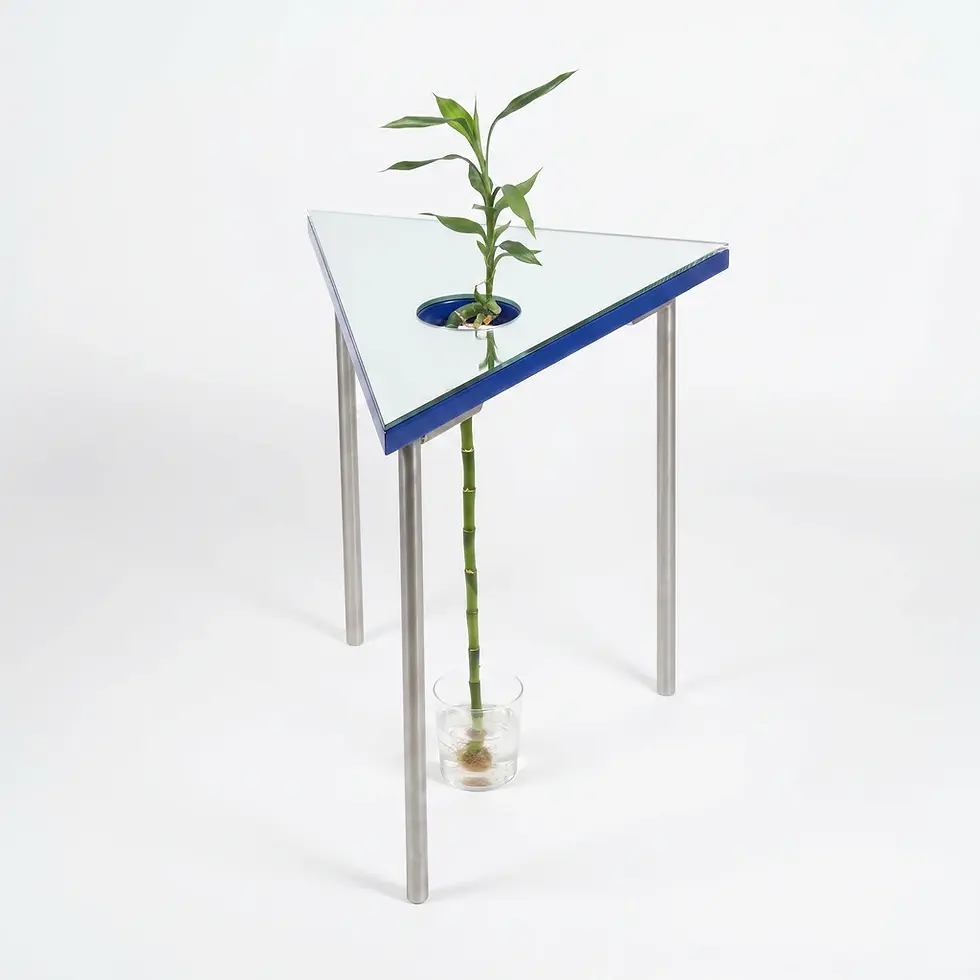

At OFAA, the object is therefore not simply the conclusion of a design process, but the physical manifestation of a way of thinking. Each piece emerges from an ongoing dialogue between curiosity and material, intention and discovery — a practice grounded in the belief that to design is, above all, to remain willing to question.


Comments