











Bianca Censori’s Domestic Theatre
- Dec 17, 2025
- 3 min read
There is something unsettling about watching a room come alive.
Not animated in the obvious sense, but alive in the way certain spaces feel charged, like they remember something. That was the quiet discomfort running through BIO POP, Bianca Censori’s first public gesture into performance, staged almost anonymously, as if it might disappear the moment you tried to name it.

For most of the performance, nothing really happens. A woman moves through a pristine kitchen. She bakes. Or pretends to. The actions are slow, careful, almost ceremonial. The set is immaculate, pale, divided cleanly in two. If you weren’t paying attention, you could mistake it for a fashion image paused too long, or a lifestyle fantasy stretched thin. Time passes. You wait for meaning to arrive.

It doesn’t, at least not in the way we’re used to.
When the curtain finally lifts, the space shifts from neutral to uncanny. A living room appears, furnished with chairs, tables, even a chandelier. Except the furniture is occupied. Or embodied. Women folded into structure, suspended, bent, absorbed into objects that look soft but feel restrictive even from a distance. Identical faces, identical hair, identical skin tones. Multiplicity without individuality.

Censori enters the room, places the cake on the table, and sits gently on one of them. No flourish. No climax. Just contact. Then stillness again.
It’s tempting to read the work loudly. To call it shocking, or provocative, or transgressive. But BIO POP doesn’t scream. It hums. The discomfort comes from how familiar it feels. Kitchens. Living rooms. Furniture designed for comfort that quietly dictates posture, behavior, role. Spaces where bodies learn how to behave long before they learn how to speak.
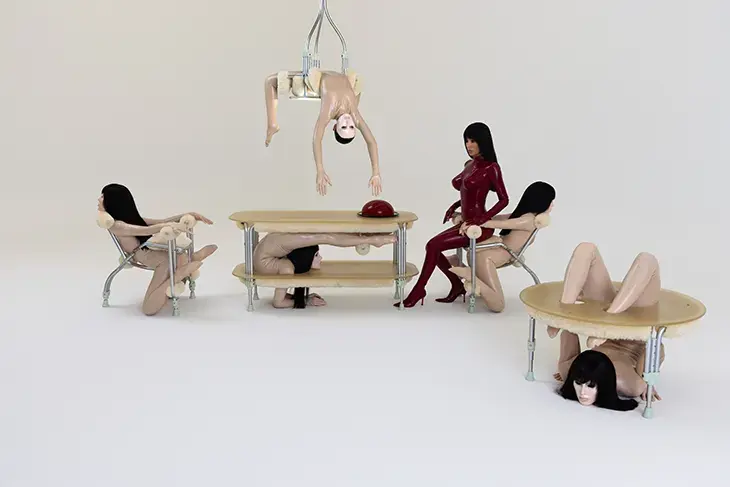
Censori’s background in architecture is impossible to ignore here. The work feels less like performance and more like spatial thinking made visible. The body isn’t dressed, decorated, or dramatized, it’s positioned. Held. Treated as material. Furniture becomes prosthetic, architecture becomes choreography, and the home becomes a training ground.
What’s striking is the absence of dialogue. Silence does the heavy lifting. In an era where visibility often demands explanation, BIO POP withholds it. The performance resists interpretation while inviting obsession. It understands something fundamental about attention today: that restraint can be louder than excess.

There’s also something deliberately unresolved about the work. It doesn’t accuse, doesn’t moralize. Instead, it stages a question and leaves it unattended. What happens when the body is no longer the subject of the room, but its infrastructure? When comfort becomes constraint? When repetition erases distinction?

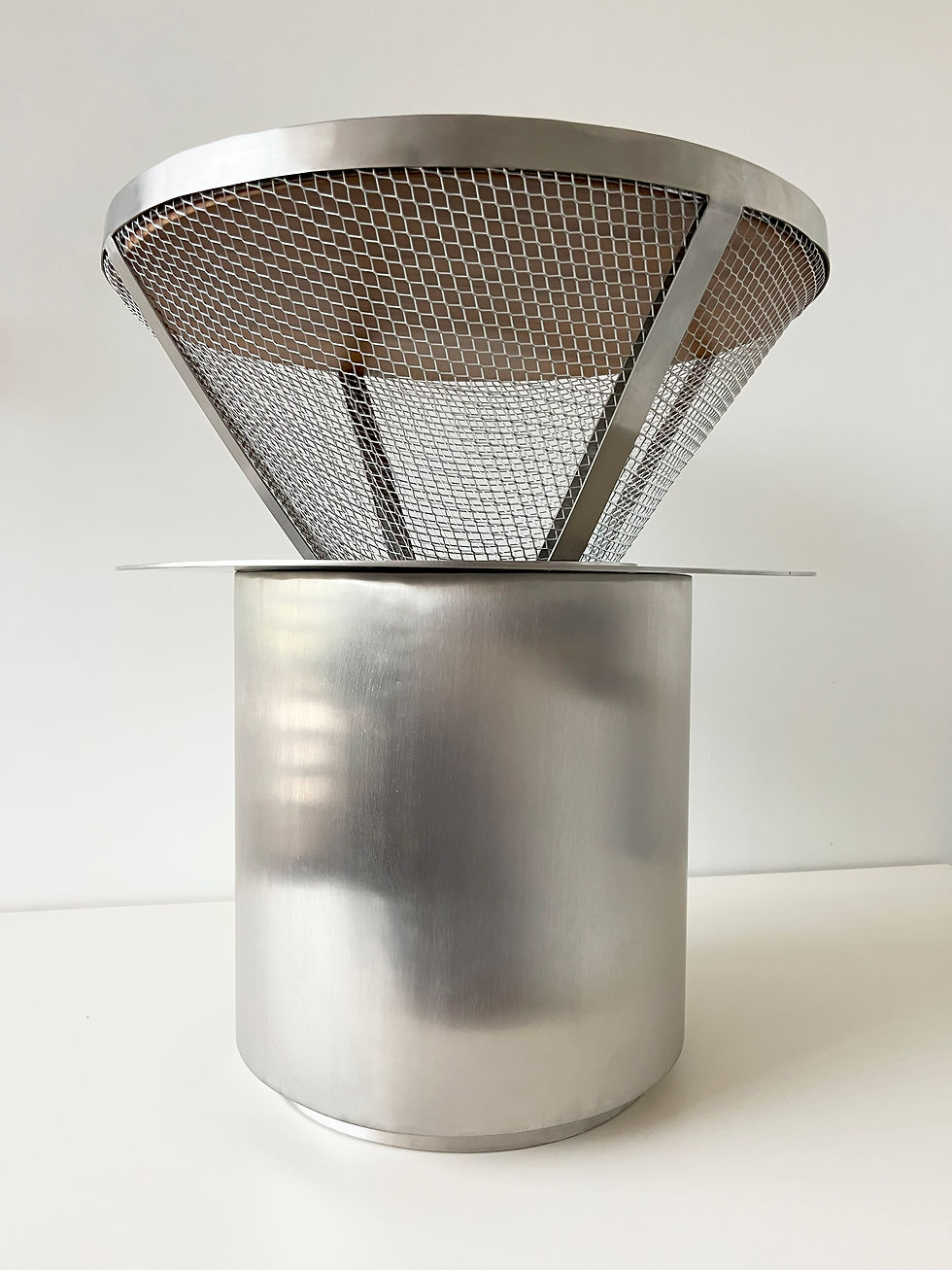
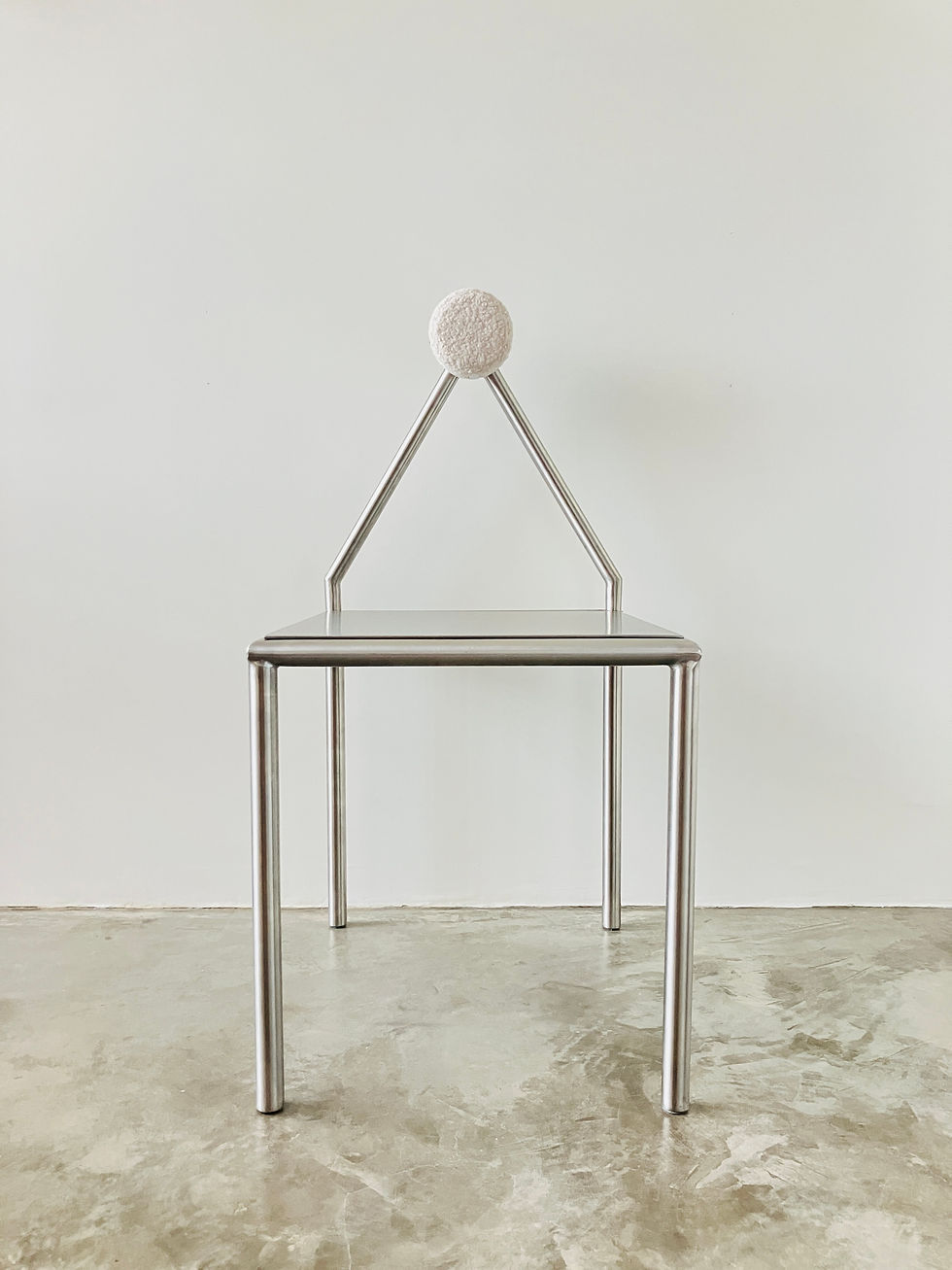
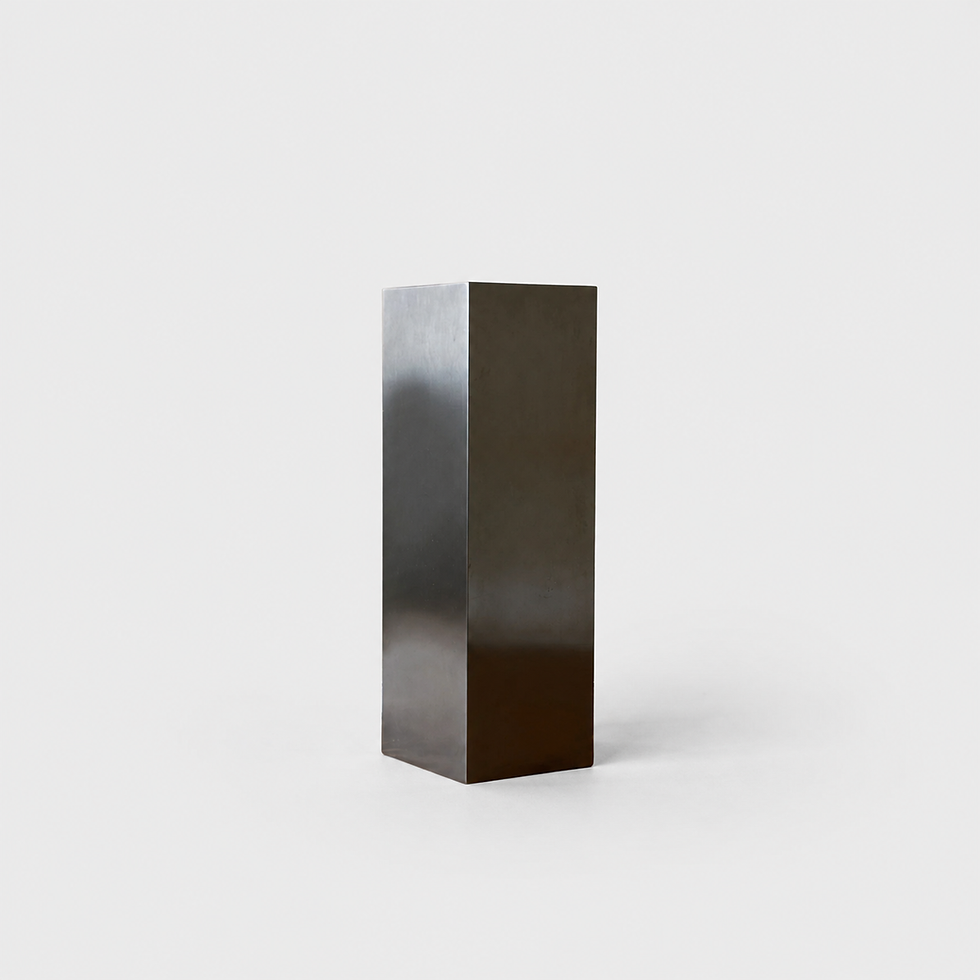
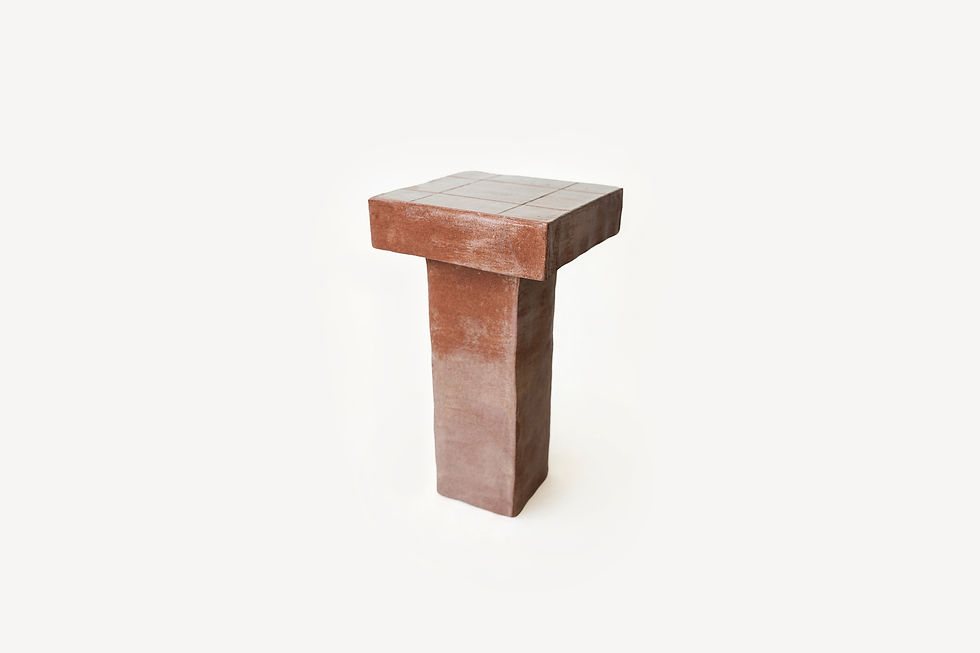
Even the objects themselves; chairs, tables, jewelry echoing medical tools, exist somewhere between use and symbolism. They’re not souvenirs. They feel like evidence. Extensions of the performance that refuse to stay contained within it.
Censori’s project unfolds over seven years, beginning here, in the home. That choice matters. The domestic space isn’t just a backdrop; it’s an origin point. The place where identities are rehearsed, roles internalized, bodies shaped quietly, daily, without spectacle. By starting here, the work suggests that power doesn’t begin on stages or screens, butit on chairs, at tables, under chandeliers.

In the end, BIO POP doesn’t tell you what to think. It leaves you sitting with an image you can’t fully shake: a room that looks complete, functional, beautiful, and entirely dependent on bodies that are no longer allowed to move.


