









How to Start Collecting Collectible Design
Updated: Aug 27
In recent years, the act of collecting design has shifted from being viewed as just a practical buying decision to being regarded as a meaningful and valuable experience for the most skilled and informed collectors. For many people, collectible design provides a way to show their individuality and hobbies by arranging physical items in their living space.

When buying collectible design, there are many aspects that need to be taken into account. In this article, you will learn more about how craftsmanship, the use of materials, design concept influence, and the way this growing category is being collected in the present day.

The attraction of design comes from its adaptability and ability to express personal taste. Chairs, lighting fixtures, tables, and other everyday household items are considered part of design, which means it's probably true that you already live with these kinds of products around you. One of the most satisfying aspects of collecting these pieces is that they offer a fresh perspective for exploring both art history and design.


A practical factor for collectors to consider is the available space in their display areas.
As wall space gets filled with paintings and prints, adding three-dimensional design elements helps collectors make better use of floor and surface areas. This enhances both an art collection and a household by considering the whole space as a unified element.

The factors involved in purchasing contemporary design are closely connected to the motivations for beginning an art collection. You should ensure that you truly wish to live with it, because the piece will be most enjoyable when it is used or viewed on a daily basis.
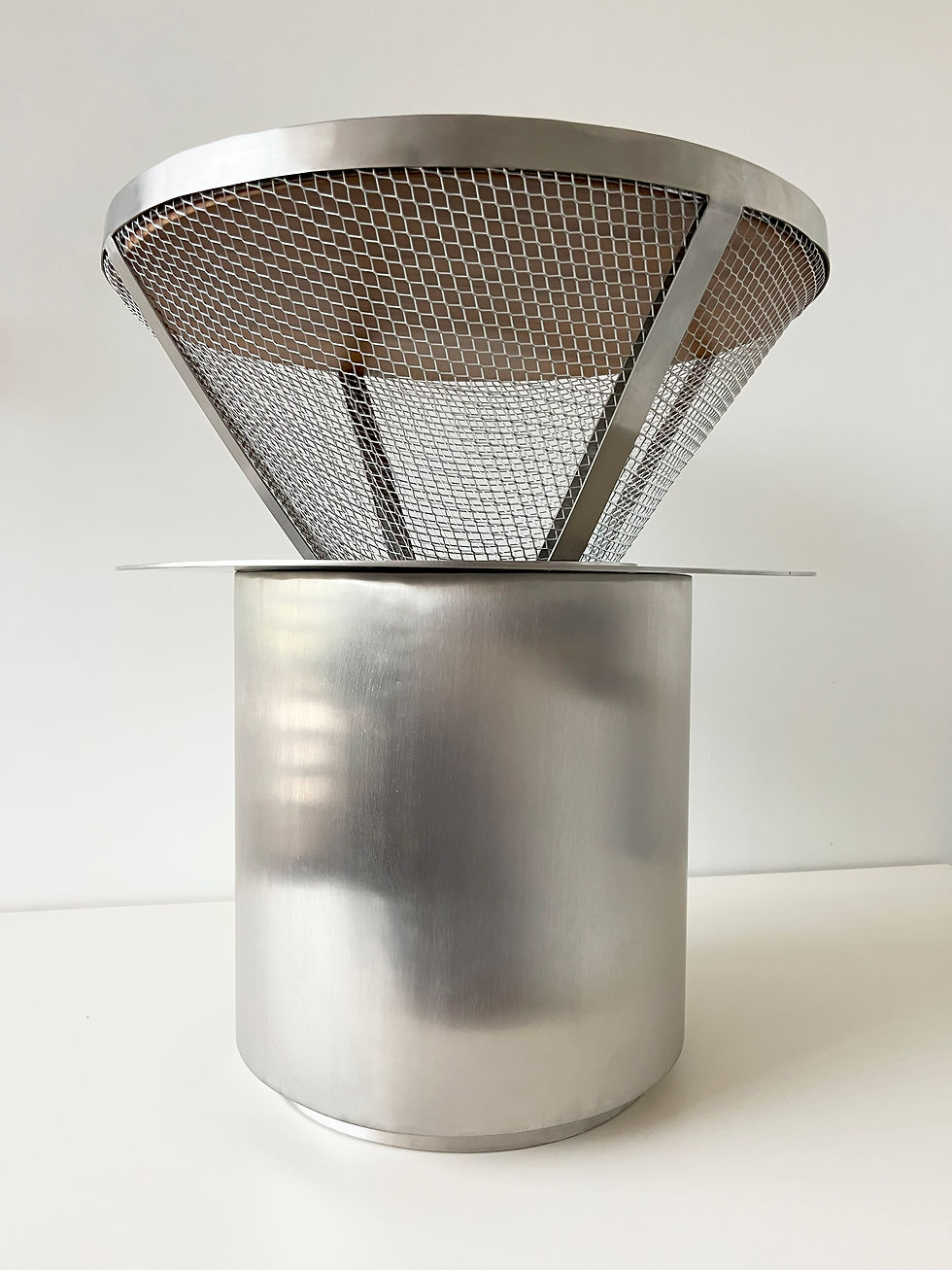
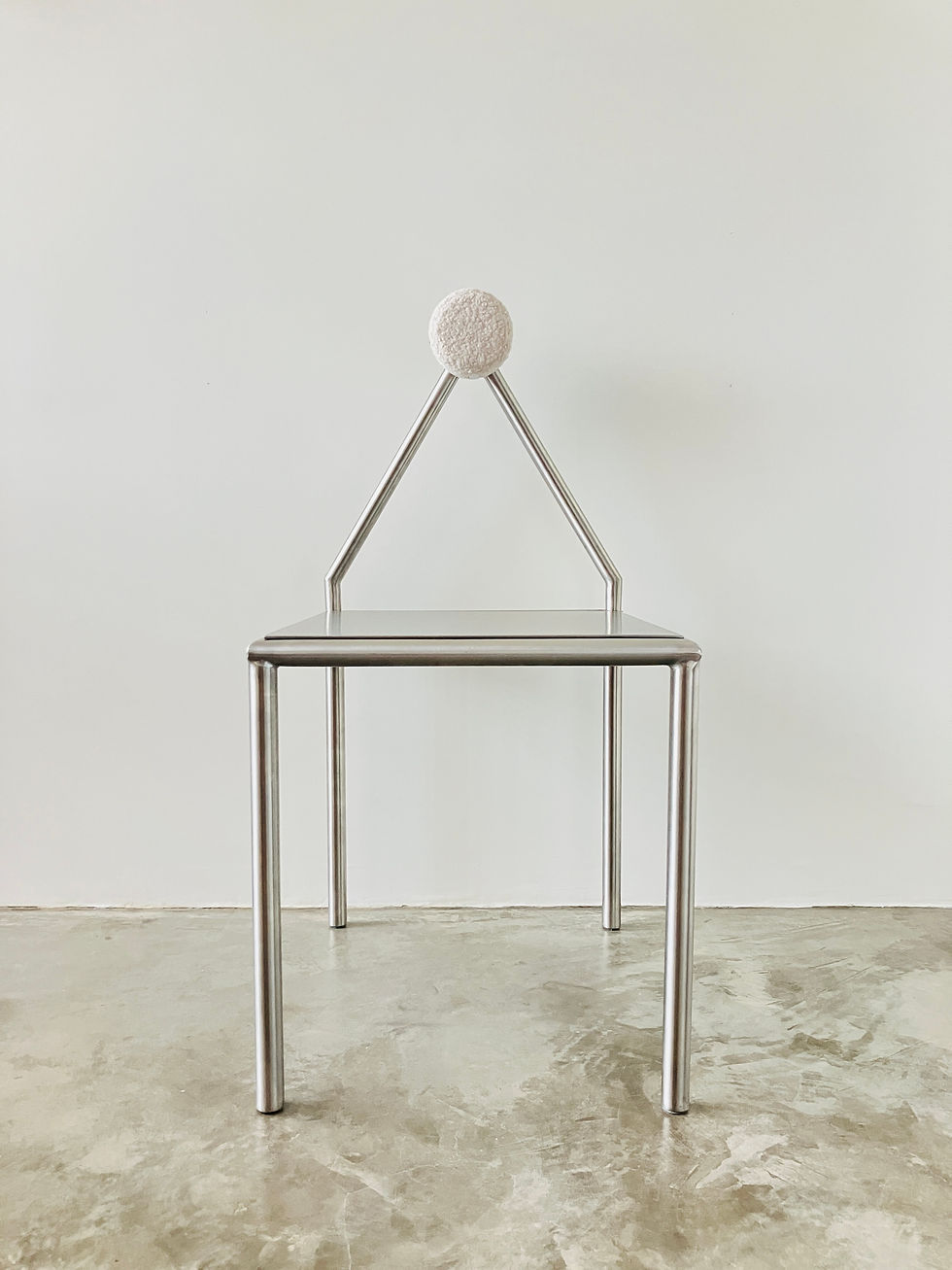
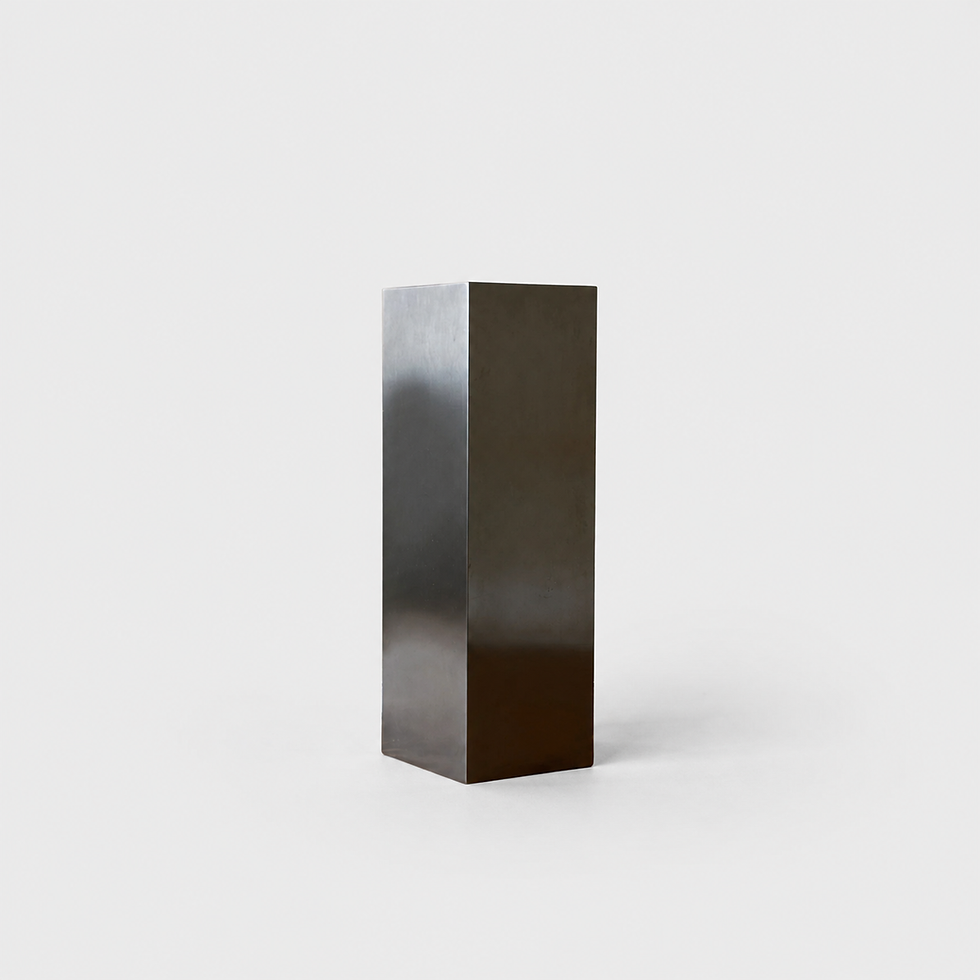
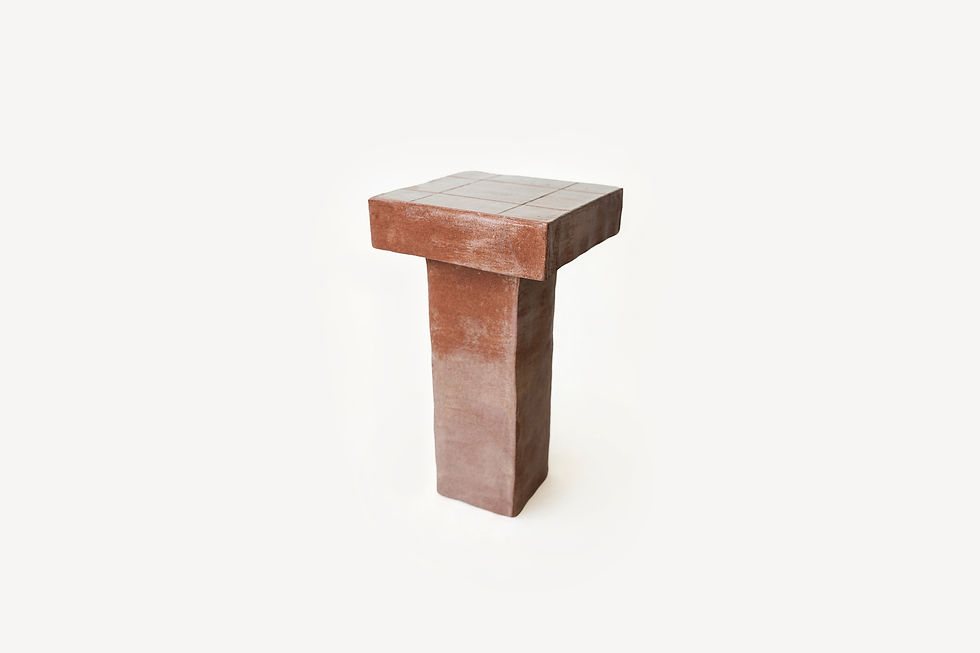
Consider what you find appealing about the piece — is it the visual style or the choice of materials? What type of items are you interested in buying? Collectible designs can vary significantly in size, ranging from small decorative items that can be placed on a desk, to bigger furniture pieces, and even special textile creations. Each type requires different factors to consider before making a purchase.

Always consider the type of design piece you are collecting and the material it is made from, as this can influence how long the item might last, especially if it is used frequently. When deciding where to put the item, make sure the material is appropriate if it will be placed outside. To ensure the quality of the finishing and craftsmanship meets your expectations for a collectible design piece, request high-resolution images or inspect the item in person.


Some collectors concentrate only on design items, but others may have overlapping interests in collecting art related to a specific theme and design objects that share the same underlying concept.
Many gallerists advise to start small. The initial purchase does not have to be a large item such as a dining table or chaise lounge. Smaller design items, such as decorative ceramics or lighting fixtures, can help you start collecting in a more manageable way.

Once you have completed your initial purchase, discovering new designers becomes a regular and ongoing activity. The main point is to keep building and maintaining relationships with gallerists at the same time as you keep exploring and learning through platforms. It is important to keep up with current trends and discover what truly captures your interest.

Your home decor should reflect your personality, creating a space that is filled with items that make it feel genuinely like your own. One nice thing about collectible design is that it allows you to gather objects of exceptional quality, skill, and uniqueness, creating a living space that holds personal significance for you.
The growing popularity of collectible design showcases a wider cultural change where people are placing more importance on originality, sustainability, and skilled craftsmanship. In a world where mass production is the norm, there is an increasing interest in products that are unique and have meaningful stories behind them. This is especially noticeable in younger collectors, who may have limited budgets but are attracted to the originality and deep conceptual ideas found in modern designs.

Collecting design is ultimately about more than acquisition — it's about curating a space that tells your story. Whether you begin with a small ceramic piece or work your way up to a sculptural chair or hand-carved cabinet, each object you choose adds another layer to a home that feels distinctly your own.
As craftsmanship, sustainability, and originality continue to take precedence over mass production, collectible design offers a meaningful way to invest in pieces with real character and history behind them. The key is to start where you are, stay curious, build relationships, and choose pieces you genuinely want to live with — because in the end, the best collections aren't just displayed, they're experienced every day.


Comments