









Collectible Design and the Future of Interiors
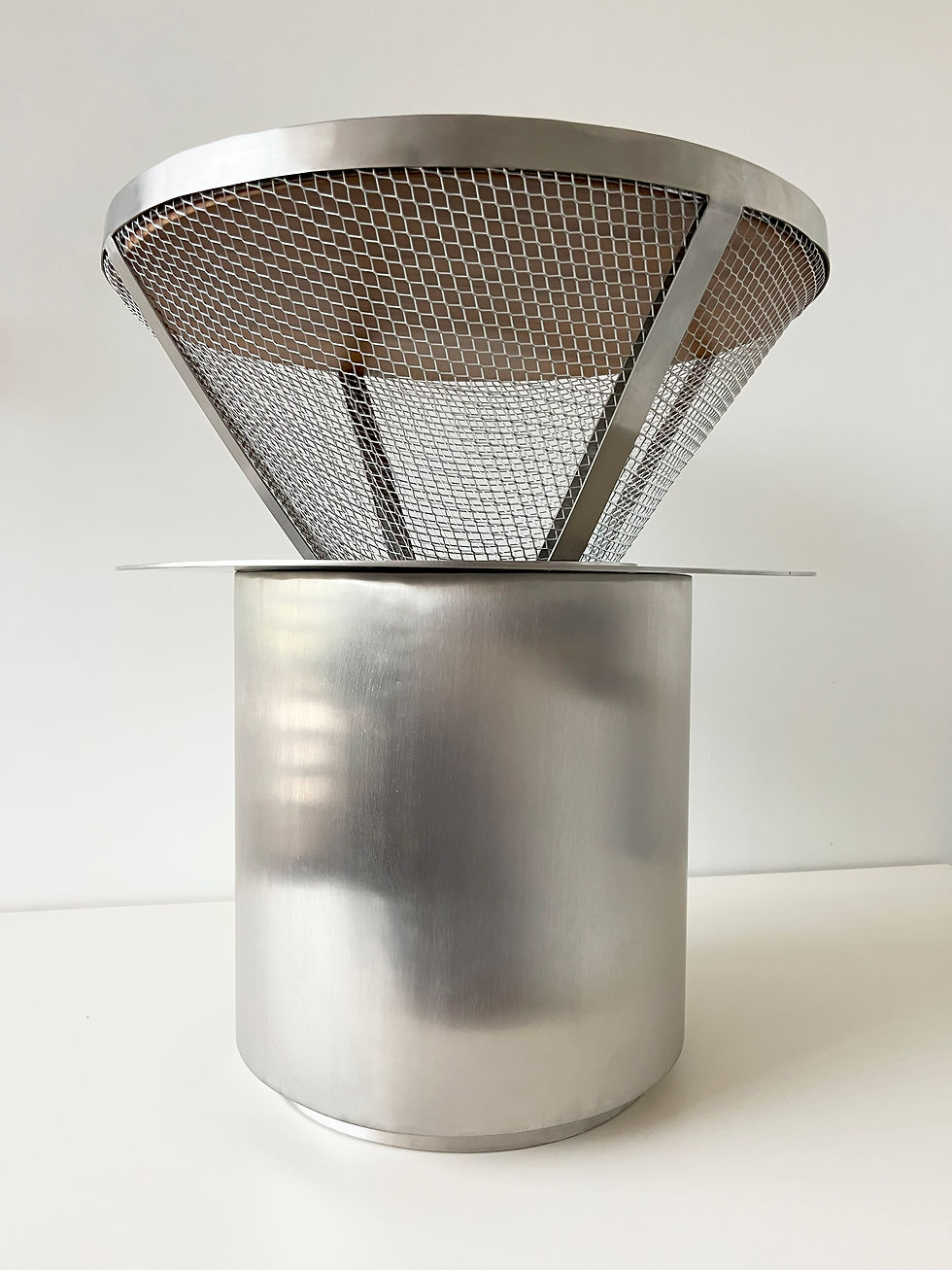
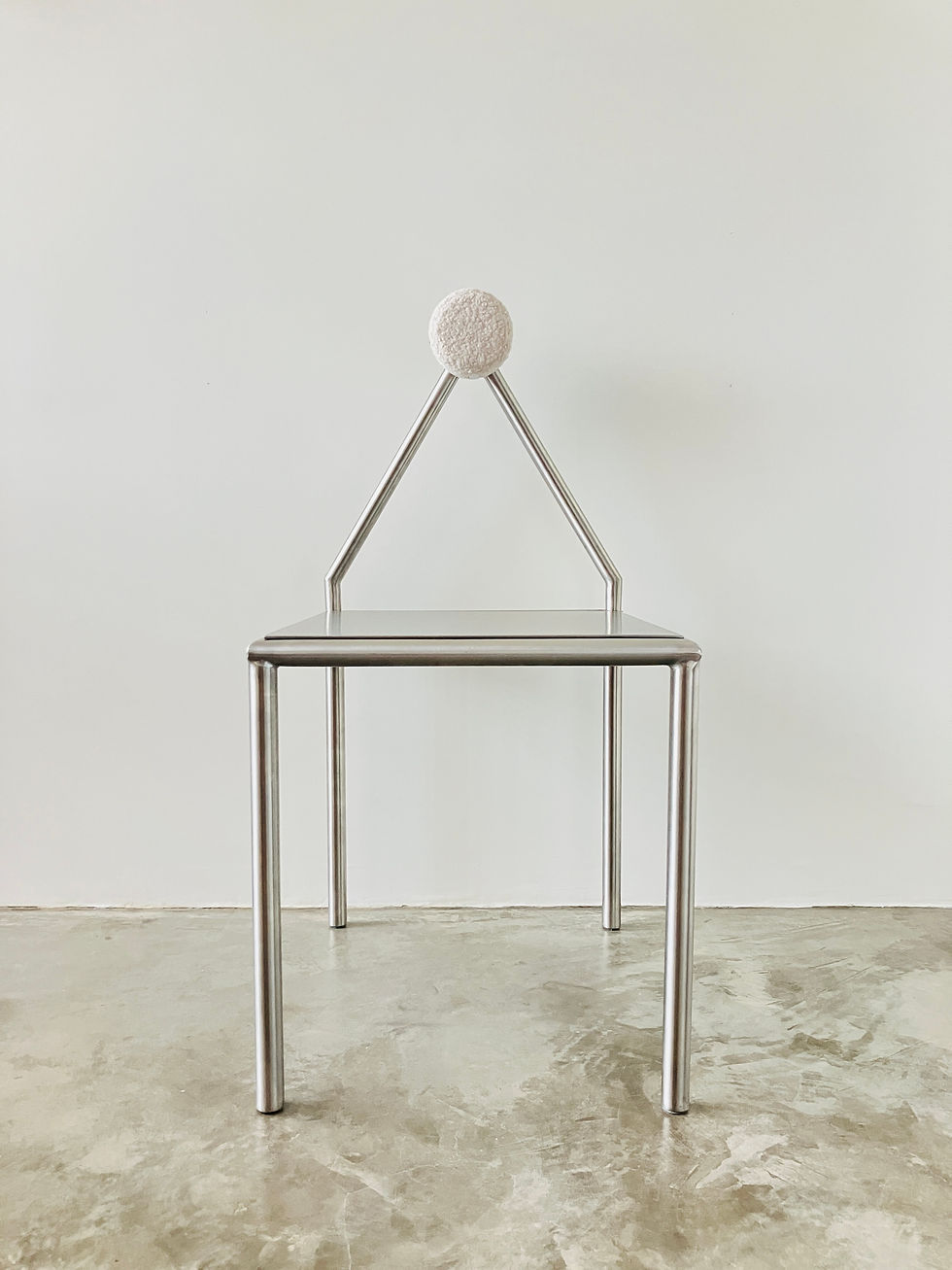
The idea of collectible design has become very popular in high-end interior spaces, changing the way people view furniture and objects. Design items are no longer just about what they do; they are now seen as artistic creations that have both cultural importance and financial value.
One of the most interesting parts of collectible design is how it can share a story. Every piece tells a story, whether through its design idea, the materials used, or the way it was made.

For interior designers, this offers a chance to create spaces that show the client's personality and beliefs.
Collectible design allows for a type of personalization that is more than just standard decor, creating spaces that feel one-of-a-kind and deeply meaningful. This story-focused method is becoming more important in high-end residential and hospitality developments.

In modern interior design, collectible design serves more than just an aesthetic purpose. A single object can act as the main focal point in a room, interacting with the architectural elements and helping to shape the overall mood and feel of the space.
It's a deliberate decision, commonly made by architects, interior designers, and collectors who look for special or hard-to-find items that can bring cultural meaning to their homes.

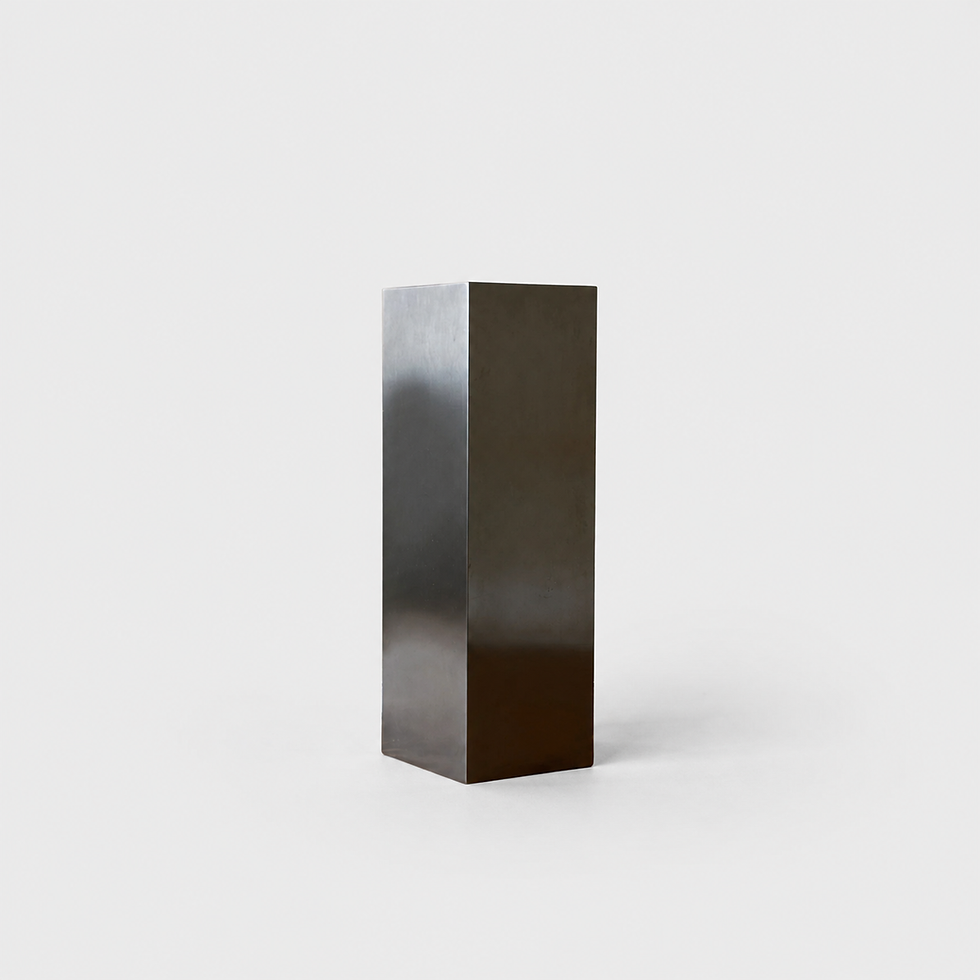
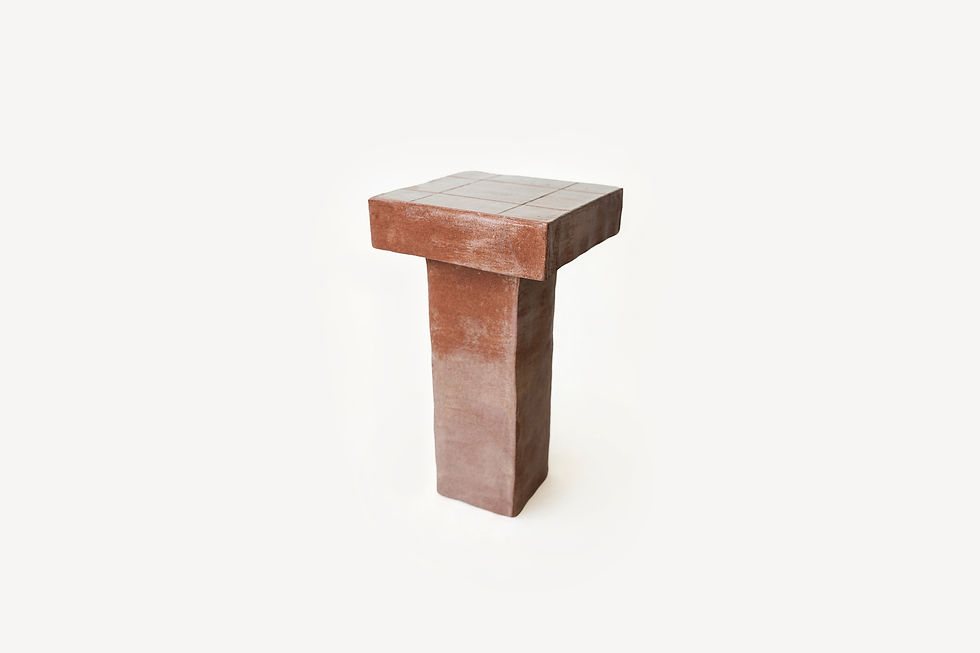
The collectible design market used to be dominated by furniture and objects sold in galleries and museums, all of which came with high price tags, often reaching five or six figures. This is changing and the language of collectible designs is shifting toward smaller, more approachable items like ceramics, glass, stone, and hand-crafted vessels made from natural materials by creators who have a real story and purpose.
Collectible design is now seen as more than just something beautiful; it's also becoming a smart investment. Limited edition items tend to increase in value over time, which makes them appealing to collectors and investors.

This financial side brings something extra to interior design, as furniture and items can add to the lasting value over time. For high-end customers, buying collectible designs provides both practical advantages and financial gains. Interior designers should take this into account when choosing items, making sure they match both the design vision and the value they can add over time.
What brings all collectible design objects together, no matter their cost, is the purpose behind them: they are created to endure, produced in limited numbers, and crafted with a clear, intentional style that the buyer can notice and experience. Its not manufactured. Not mass-produced. Not replaceable.

Why is this effect more noticeable in today's global setting? We’re seeing a convergence of factors. Today's collectors are looking for more than just beautiful items. They want pieces that share stories, show the touch of the maker and bring a sense of meaning to the spaces they're in. Unlike the furniture that is made in large quantities and found in many homes, collectible design pieces are usually made in small numbers or as unique items, which makes them naturally more valuable.

Think about the skill and care that go into making each of these items. Every curve is thoughtfully crafted, every joint is skillfully made, and every material is carefully chosen. This level of care and skill turns furniture from just being useful into something truly amazing. When you invest in a collectible design piece, you're not just purchasing furniture – you're gaining ownership of a part of modern design history.

The value proposition goes beyond just the initial attraction. Unlike regular art that is displayed on walls, collectible furniture pieces fit naturally into everyday use while still holding value as an investment. They act as both practical items and topics for conversation, bringing together the space, the person using them, and the design in an engaging way.


Comments